Sicilian Identity, Emigration and Cultural Traditions
Sicilian emigrants living in America often sought to recreate the material, social, and religious environment they had left behind. They tended to settle near other Sicilians, continue speaking their local dialect, prepare familiar foods, worship together—sometimes requesting a priest from their town of origin—celebrate traditional religious feasts, and establish mutual-aid societies named after prominent figures from their home communities.
One striking example dates to 1911, when emigrants from Termini Imerese, in the province of Palermo, sent two photographers back to Sicily to document local celebrations, religious ceremonies, streets, houses, and churches. The images were then shown in a cinema maintained by the emigrant community. After long days of work, people could gather there in the evening and see the homeland they had left but had not forgotten.
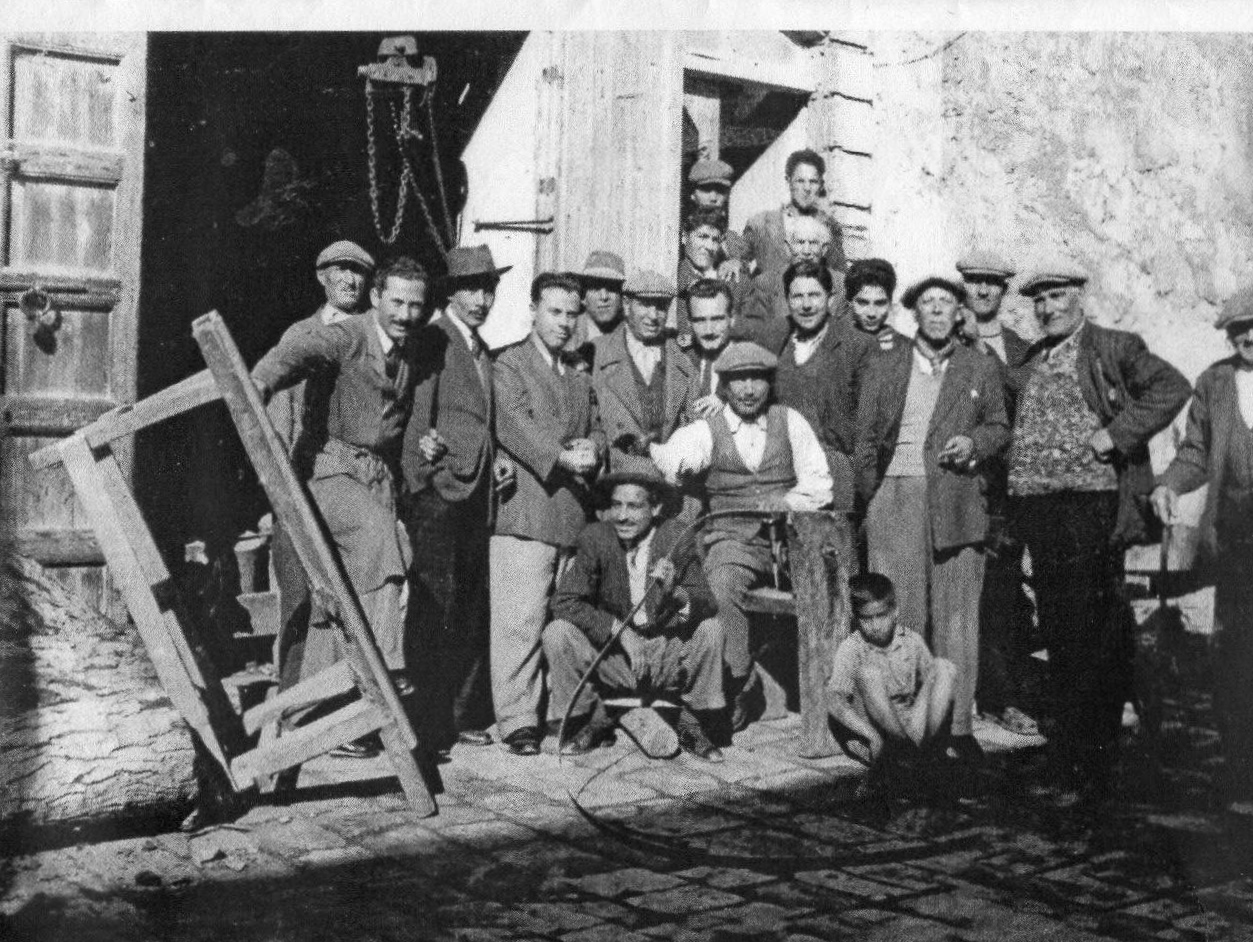
After traveling through Sicily in 1791, the Viennese writer De Mayer described Sicilians as industrious people: “clever, astute, and skillful, able to accomplish with axes and saws what others require many tools to do.”
Other travelers also commented on what they saw as Sicilian sobriety and moderation. In 1841, P. Frédé wrote that men and women possessed the virtue of living with little, eating modestly—“two oranges, fennel, a little meat and beans”—and drinking wine sparingly. The English traveler Cockburn similarly observed that, while attending Carnival in Palermo in 1811, he rarely saw anyone drunk. Another expression from the period states that drunken men were “followed with the stick,” reflecting the strong social disapproval attached to public drunkenness.
De Mayer also wrote: «Sicilian husbands are said to be jealous, although I found little evidence of it, and I saw no women seeking to attract other men. I saw them in the fields, in the streets, and outside the villages, always occupied with their own affairs and never inclined toward flirtation. Sicilians are also said to combine this jealousy with an intense and exclusive attachment to their homeland. For my part, I value love for one’s Lord, one’s king, one’s village, one’s house, one’s field, one’s family, one’s wife, and one’s children. The place where we were born must remain foremost in our affections.»
The Sicilian dialect, with its many local phonetic variations, remained widely spoken, particularly in rural and inland areas. Historical observers noted that it was heard in its strongest local forms away from the larger cities and among farming communities. Military service, emigration, trade, and newspapers had introduced new influences, but local speech remained deeply rooted across social classes. The greatest changes were observed in the cities, where population movement and contact between different communities gradually altered vocabulary and pronunciation.