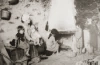
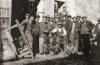
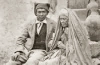
The father was traditionally regarded as the head of the household, and his authority was rarely questioned, while the mother was responsible for domestic affairs and the supervision of the children. Her role was exercised within a strongly patriarchal family structure, and she was expected to obey her husband even when his conduct did not merit such deference. In disputes between husband and wife, outsiders were generally expected not to interfere.
Only a fool interferes in a quarrel between husband and wife.
Husbands generally did not display affection openly, although they were expected to treat their wives with respect. Wives, in turn, were expected to devote themselves to their husbands. Children were considered the heart, strength, and foundation of the family. Sons were expected to contribute to the household economy and were often sent to work.
Have many children and share them with the land.
The saying reflected the expectation that children would divide their time between family life and work in the fields. Their earnings were normally handed to the mother, who managed food and household expenses. When sons were considered old enough to support themselves, their parents arranged their marriages. A bride was generally chosen within the village, where both she and her family were known to the community, while marriage into a rival family was strongly discouraged. The bride, called the “zita” in Sicilian, brought a dowry, while the groom contributed property or possessions from his parents.
Marital fidelity was a particularly strict social expectation among the lower and middle classes. A wife was expected not to show interest in other men and to regard marriage as permanent even when her husband was unfaithful. Women considered adulterous, known in Sicilian as “malafemmine,” were harshly condemned, whereas male infidelity was often treated with considerably greater tolerance.
Religion played a central role in the education of children, who were introduced to religious practice by their parents according to the family’s beliefs. Families prayed for God’s blessing and protection for themselves and their relatives, and the rosary remained widely used even in the larger cities.
Childless families, as well as families that had made a religious vow, sometimes took in an orphan. When the child reached about seven years of age, he might be sent to a charitable institution or poorhouse to receive an education. The separation could be painful for both the foster father and the foster mother, sometimes referred to as the “milk-mother.”
On Sundays, the foster family would visit the child, sometimes traveling considerable distances. If they found him ill, they might ask the institution to allow him to return home so that he could be cared for by the family. Such requests could be refused when the authorities believed that the foster mother lacked the means to provide the necessary care.
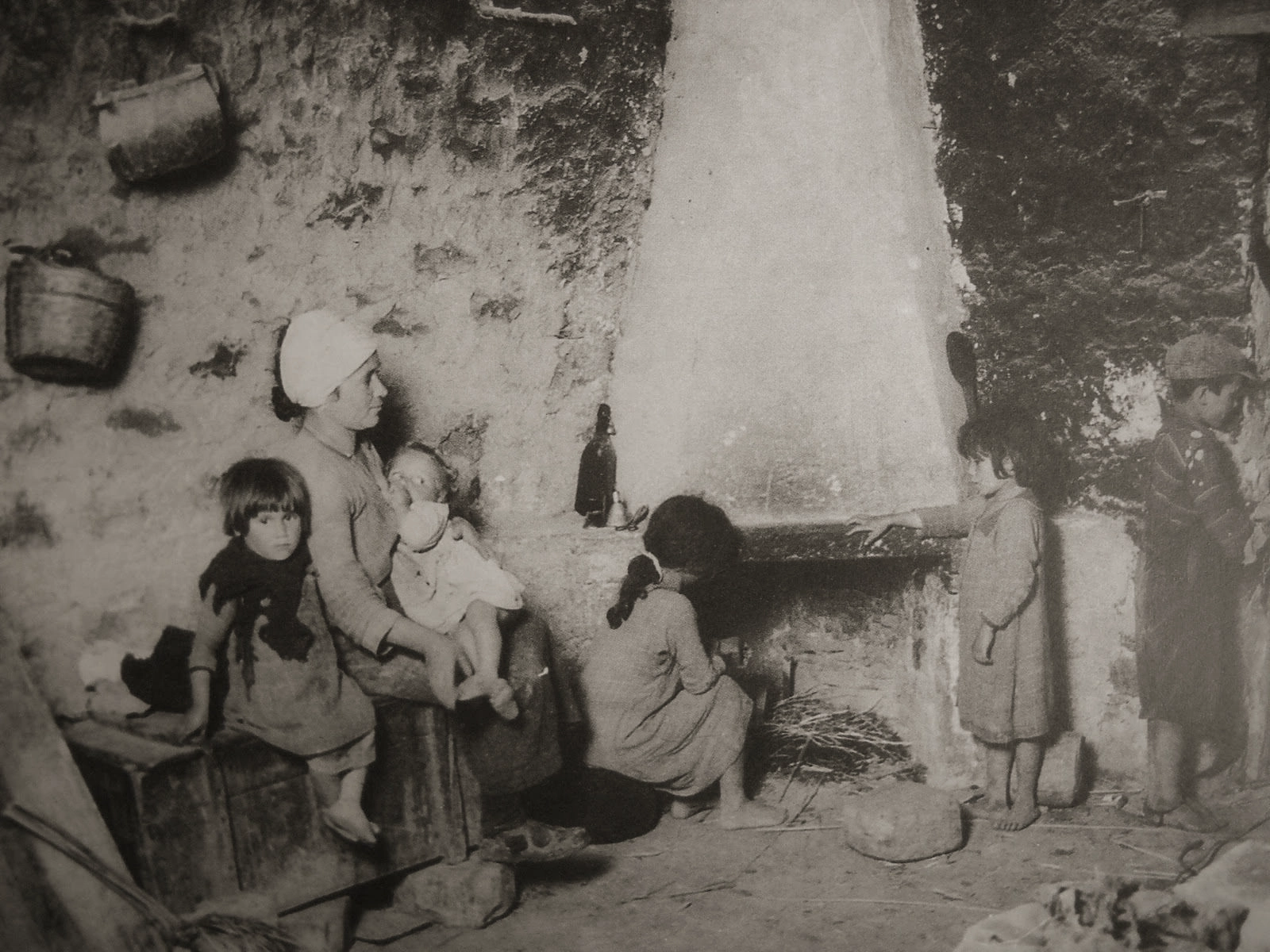
In farming households, the father often exercised near-absolute authority. His wife addressed him with formal respect, and he was served first at the table. Children were expected to seek his permission for important decisions, including marriage. Parental authority could extend to the choice of a spouse, and children often accepted an arranged match even when the proposed partner was much older or disabled, sometimes explaining simply: “This is my mother’s will.”